


Escolher para quem contar pode ser uma decisão difícil, e não existe uma resposta única. Todas(os) nós queremos e merecemos nos sentir em segurança e termos nossas histórias compreendidas ao compartilhar algo tão íntimo. Devemos pensar no que queremos ao contar sobre nossa experiência, e tentar encontrar alguém que possa nos oferecer o tipo de apoio que precisamos — seja um ombro amigo, ou suporte em um processo de denúncia.
Escolher para quem contar pode ser uma decisão difícil, e não existe uma resposta única. Todas(os) nós queremos e merecemos nos sentir em segurança e termos nossas histórias compreendidas ao compartilhar algo tão íntimo. Devemos pensar no que queremos ao contar sobre nossa experiência, e tentar encontrar alguém que possa nos oferecer o tipo de apoio que precisamos — seja um ombro amigo, ou suporte em um processo de denúncia.
Escolher com quem contar pode exigir uma reflexão sobre as pessoas ao nosso redor e os tipos de relação que temos com elas. Aqui estão algumas perguntas que podem ajudar:
Se estivermos em dúvida sobre com quem contar, o exercício de mapeamento de confiança (Trust Mapping) pode ser útil. É uma atividade prática que nos ajuda a pensar em quem confiamos em nossas vidas — e como a confiança é algo dinâmico, que pode mudar à medida que nós e nossas relações mudam.
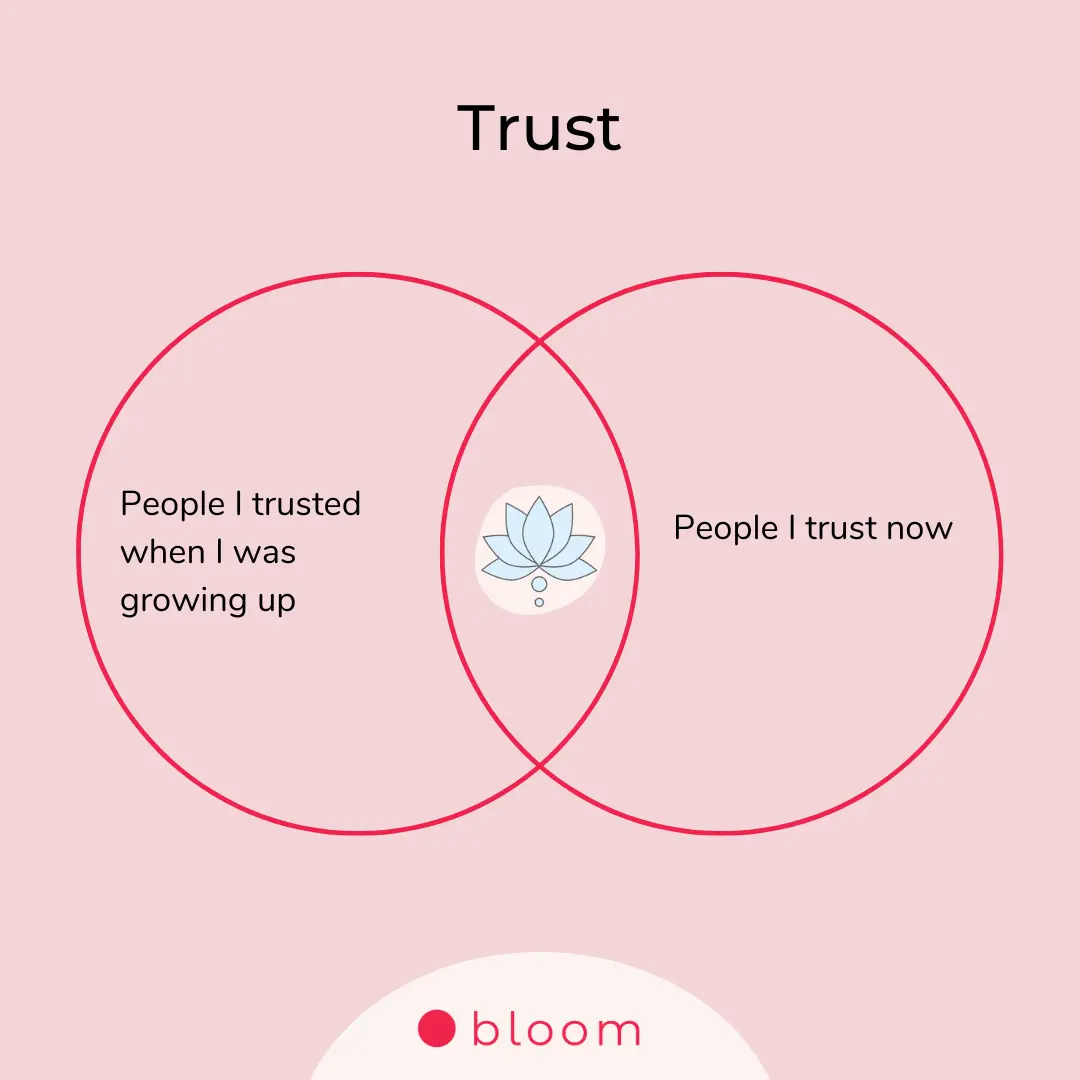
Você também pode encontrar esse exercício na sessão “Contar a alguém sobre o abuso”, no nosso curso Sociedade, patriarcado e trauma sexual.
Às vezes, pessoas próximas reagem de maneira emocional ao ouvirem sobre nossa dor. Essas reações podem estar motivadas por sentimentos de impotência ou culpa — ficam com raiva de que isso tenha acontecido conosco, e talvez pensem que poderiam ter impedido. É importante lembrar que não temos a obrigação de gerenciar as emoções de ninguém. Contar a alguém é sobre nós: sobre o que precisamos...
Nem todo mundo vai reagir da forma como esperamos ou gostaríamos. Algumas pessoas podem não acreditar no que vivemos ou discordar de que foi uma situação de abuso. Se conhecem quem nos agrediu e/ou abusou, podem até tomar partido, sair em defesa ou se recusar a mudar sua forma de interagir com a pessoa agressora.
É essencial lembrar que não é nossa culpa se alguém não acredita na gente. Não podemos controlar como as pessoas reagem ao nosso trauma. Isso não significa que contamos da forma errada e, certamente, não invalida nossa experiência.
Por isso é tão importante pensar em com quem nos sentimos em segurança para compartilhar. Merecemos receber apoio e que acreditem em nós. Às vezes escolhemos contar para certas pessoas não porque esperamos que elas tomem alguma atitude ou nos entendam totalmente, mas apenas para aliviar o peso de carregar a dor do acontecido. Outras vezes, confiamos em pessoas — como amigas próximas, familiares ou membros da comunidade — com a esperança de que apoiem ativamente nossa processo de recuperação. Ter expectativas realistas sobre como alguém pode reagir pode ajudar a nos proteger de mais dor ou decepção.
Para muitas pessoas, fatores culturais influenciam na decisão de com quem contar. Sabemos que diferentes culturas vêem o abuso de formas diferentes. Em sociedades patriarcais, a culpa pode recair sobre quem sofreu o abuso, e não sobre a pessoa que cometeu a agressão e/ou abuso). Esse medo de estigma ou julgamento pode tornar ainda mais difícil falar.
Mas é importante lembrar que nem todo mundo na nossa comunidade compartilha essas crenças prejudiciais. Encontrar alguém em quem confiamos — alguém cujos valores estejam alinhados com nossa segurança e bem-estar — pode fazer toda a diferença, especialmente ao navegar por pressões culturais.
Um dos maiores medos ao contar nossa história é perder o controle sobre ela — existe a possibilidade de que a informação se espalhe de maneiras que não planejamos. Esses riscos podem tornar o ato de compartilhar ainda mais assustador.
Mas nós temos controle — sobre quando, como e quanto vamos contar, mesmo que nos perguntem diretamente. Está tudo bem começar aos poucos, testar a confiança, e contar apenas o que parecer seguro. Dar um passo de cada vez pode nos ajudar a sentir mais controle e preparo emocional.
Ao decidir com quem compartilhar nossa experiência, é importante considerar quem parece seguro para confiar, por que queremos contar, e que tipo de apoio esperamos receber. Por exemplo:
Também é importante saber que podem existir implicações legais ao decidir contar sobre um abuso, especialmente se formos menores de 18 anos ou maiores de 65. Em alguns países, pessoas em determinadas profissões têm obrigação legal de denunciar comportamentos ilegais ou perigosos — mesmo que o abuso tenha ocorrido há muito tempo.
Isso se aplica a professores, médicas e médicos, assistentes sociais, entre outros(as), que podem ter a obrigação por lei de denunciar, especialmente se o/a agressor(a) ainda estiver em posição de prejudicar alguém. Isso é chamado de denúncia obrigatória.
Se isso for uma preocupação, pode ser útil se informar sobre as exigências legais antes de compartilhar com alguém nessa posição.
Contar a alguém é uma decisão profundamente pessoal. Merecemos compartilhar nossa história nos nossos próprios termos, com pessoas que vão honrar e respeitar nossa verdade.
Não tem certeza de como descobrir quais são as exigências de denúncia no seu país? Existem algumas formas de procurar essas informações.
Motores de busca
Estes termos de busca são bons pontos de partida, mas outras variações também podem funcionar:
Sites específicos
Você também pode encontrar informações úteis em:
Pergunte diretamente
Alguns profissionais estão dispostos a explicar suas obrigações de denúncia antes que você compartilhe detalhes específicos. Isso pode ajudar você a tomar uma decisão mais informada sobre o que — e quanto — deseja revelar.


Você tem controle sobre quem ouve a sua história—e sobre o quanto compartilha.
Procure pessoas que ouçam sem julgamento e respeitem os seus limites.
Está tudo bem começar aos poucos ou testar a confiança antes de compartilhar mais.
Você não precisa contar a ninguém que a/o faça se sentir insegura(o) ou em dúvida.


